How to Stop Condensation on Windows
Reduce indoor moisture and improve airflow to stop condensation on windows. Wipe the glass dry, use kitchen and bathroom fans, and check that curtains or blinds don't block warm air from reaching the glass.
On this page (8 sections)
- How do you stop condensation on windows?
- Why does window condensation get worse in winter?
- What humidity level should you aim for?
- Which everyday changes reduce moisture indoors?
- Would a dehumidifier help with window condensation?
- When is condensation a window repair issue?
- How can you tell whether humidity is the main cause?
- What should you do first to stop condensation on windows?
Reduce indoor moisture and improve airflow to stop condensation on windows. Wipe the glass dry, use kitchen and bathroom fans, and check that curtains or blinds don't block warm air from reaching the glass.
Condensation forms when moist indoor air meets a colder surface. It often shows up on windows in winter because the glass is cool, but recurring water can also point to excess indoor humidity, a draft, or a window problem.
How do you stop condensation on windows?
Lower indoor moisture and keep air moving across the glass. Start with everyday steps before buying equipment:
- Wipe water off the glass and sill when it appears.
- Run the bathroom fan during showers and afterward, and use a kitchen exhaust fan while cooking.
- Keep furniture, curtains, and blinds from blocking warm air near the window.
- Dry laundry outdoors or use a vented dryer when possible.
- Use a humidity meter to see whether indoor moisture stays high.
- Check for leaks, drafts, and condensation between window panes.
Drying the glass protects the sill and nearby materials, but it doesn't remove the moisture source. If water returns each morning, track when it appears and which rooms have the most condensation.
Our guide to how to lower humidity in your house covers more ways to reduce moisture indoors.
Why does window condensation get worse in winter?
Cold glass makes indoor moisture more likely to condense. Warm air can hold more water vapor; when that air touches a colder window, some of the vapor turns into droplets.
Cooking, bathing, drying clothes, and breathing all add moisture indoors. In a closed home during cold weather, that moisture may linger, especially in bedrooms and small rooms with limited airflow.
Curtains can trap a layer of cool air against the window. Open them during the day if practical, and make sure vents or radiators aren't blocked.
What humidity level should you aim for?
Use a humidity meter to check the room rather than guessing from the glass. A hygrometer can show whether humidity rises when you cook, shower, or close up the house.
The TempPro TP50 Hygrometer displays indoor temperature and humidity, refreshes readings every 10 seconds, and records high and low readings. It has a tabletop stand and magnetic back.
Place the meter in the room with condensation, away from a sunny window, heater, or direct spray. Compare readings at different times of day before changing your routine.
For a room-by-room target and advice on interpreting readings, see what is a good humidity level for a house. A meter helps you spot patterns, but it can't identify a hidden leak or a failed window seal.
Which everyday changes reduce moisture indoors?
Use fans, lids, and ventilation to keep routine moisture from building up. These steps are useful even if you don't need a dehumidifier.
Run a bathroom exhaust fan during bathing and for a while afterward. Use a range hood that vents outdoors when available, and cover pots while cooking.
If you dry clothes indoors, choose a ventilated area and avoid placing wet laundry beside cold windows. Don't block air vents with furniture or keep every interior door shut if that prevents air from circulating.
Wipe condensation from the glass and sill with a dry cloth. Check the sill and surrounding wall for signs of water damage, and address any plumbing or roof leak promptly.
Can opening a window help?
Opening a window briefly may help when outdoor air is drier than indoor air. It may not help in wet or humid weather, so use exhaust fans and watch how the room responds.
Avoid leaving windows open if doing so could freeze plumbing, compromise security, or make the room uncomfortably cold. If you have a heat recovery ventilation system, follow its instructions for winter operation.
Would a dehumidifier help with window condensation?
A dehumidifier can help when high indoor humidity is contributing to condensation. It won't repair a leak, improve a failed seal, or fix a window that stays unusually cold.
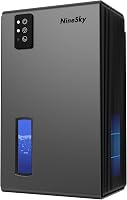
The NineSky 95 oz Dehumidifier has automatic shutoff when the tank is full or incorrectly installed, plus a compact design with a carry handle. Its listed noise level is 40 dB or less, and it is described for spaces up to 1,000 sq ft.
Use a dehumidifier in the room where moisture builds up, and follow the unit's instructions for placement and care. A small unit may not suit a larger area or a serious moisture problem.
If condensation affects several rooms or persists despite ventilation, compare room size and unit type in best dehumidifiers for the home. For signs that moisture is a broader issue, how to tell if you need a dehumidifier can help you decide what to investigate next.
How do you choose a dehumidifier for a larger room?
The Midea 22 Pint Dehumidifier is the larger-room option in this guide, with coverage listed for up to 1,500 sq ft and removal of up to 22 pints per day. It has adjustable humidity settings and a hose connection for continuous drainage; the hose is not included.
Room coverage and moisture removal depend on conditions, so don't treat a stated area as a guarantee for every home. Check the unit's instructions and compare its capacity with your space before choosing.
When is condensation a window repair issue?
Water between window panes usually points to a window seal problem. Room fans and dehumidifiers won't remove moisture sealed inside the glass.
Condensation on the room-facing surface is different. If it stays on the inside pane, address humidity and airflow; if it appears between panes, ask a window professional about the seal.
Also check for water around the frame after rain. A damp patch that tracks with storms may indicate a leak, while a cold draft can suggest an air leak around the frame.
Repairing the source matters more than repeatedly drying the glass.
How can you tell whether humidity is the main cause?
Track humidity and condensation together for several days. Note the room, time, weather, and whether cooking or bathing happened shortly before droplets appeared.
If indoor humidity rises after showers and falls when fans run, moisture control may help. If a single window stays wet while nearby windows remain dry, inspect that window for drafts, damaged seals, or leaks.
A hygrometer provides useful readings, but it isn't a building inspection tool. For persistent water, peeling paint, or damage around the frame, contact a qualified professional.
What should you do first to stop condensation on windows?
To stop condensation on windows, start with ventilation, clear airflow, and drying the glass. Use a humidity meter if you need to see whether indoor moisture remains high.
Choose a small dehumidifier for a limited damp space, or compare larger units if the problem spans a bigger room. If water sits between panes or appears around the frame after rain, arrange a window inspection.
For another option when you don't want to buy a unit, read how to dehumidify a room without a dehumidifier.
Frequently asked questions
How do you stop condensation on windows in winter?
Reduce indoor moisture, run kitchen and bathroom fans, and keep warm air moving near the glass. Wipe water from the window and sill, then check for blocked vents, closed curtains, or drafts.
If condensation keeps returning, use a humidity meter to track indoor levels and look for leaks or other sources of moisture.
Should I open windows to stop condensation?
Briefly opening a window can help replace damp indoor air when outdoor air is drier, but cold, rainy, or humid weather may make it less useful. Try bathroom and kitchen exhaust fans first, and avoid leaving a window open if it creates drafts, security concerns, or a risk of freezing pipes.
Does a dehumidifier stop window condensation?
A dehumidifier may reduce condensation when indoor humidity is high, but it won't fix a leak, poor window insulation, or a failed window seal. Measure humidity, reduce moisture sources, and keep air moving before choosing a unit.
Size it for the space and use it according to its instructions.
Is condensation between window panes a problem?
Moisture trapped between panes usually points to a failed seal in an insulated window. Room ventilation and a dehumidifier can't reach that space, so contact a window professional or the manufacturer about repair or replacement options.