How to Tell If You Need a Dehumidifier
To tell if you need a dehumidifier, check whether humidity stays above 60% and whether damp signs keep returning. Use a hygrometer and inspect for leaks or poor ventilation before choosing a unit.
On this page (9 sections)
- What signs help you tell if you need a dehumidifier?
- How can humidity readings tell you if you need a dehumidifier?
- Does window condensation mean you need a dehumidifier?
- Can a musty smell tell you when to buy a dehumidifier?
- How do you choose a dehumidifier after confirming high humidity?
- How should you set up and care for a dehumidifier?
- What mistakes can lead you to buy the wrong dehumidifier?
- Do you need a dehumidifier if humidity is below 60%?
- How do you decide if you need a dehumidifier?
To tell if you need a dehumidifier, check whether indoor humidity stays above 60% and whether signs of dampness keep returning. Use a hygrometer to measure the room, then look for leaks or ventilation problems before buying equipment.
A single clue rarely gives the whole answer. High readings plus recurring condensation, damp materials, or a musty smell make excess moisture more likely.
What signs help you tell if you need a dehumidifier?
Repeated dampness with humidity above 60% is a stronger signal than one symptom alone. Look for several of these signs in the same room:
- A hygrometer often reads above 60% relative humidity.
- Condensation returns to windows or other cool surfaces.
- Towels, laundry, or stored items stay damp longer than expected.
- A musty odor returns after you air out a closet or room.
- You find damp patches, peeling paint, or water stains.
These clues can point to different problems. A plumbing leak, rain entering through a wall, or a blocked bathroom fan needs attention at its source.
A dehumidifier lowers moisture in the air. It won't repair a leak, dry a wet wall by itself, or remove mold.
The EPA recommends keeping indoor humidity below 60%, ideally between 30% and 50%. Its guide to mold and moisture explains why controlling moisture matters.
How can humidity readings tell you if you need a dehumidifier?
Use a hygrometer in the room that seems damp and track the reading over several days. Set it away from windows, exterior doors, radiators, and direct sunlight, which can skew the reading.
Check at different times, including after showers or cooking if those activities affect the space. A temporary rise may settle after ventilation, while readings that stay high across the day point to a more persistent issue.
Compare readings in nearby rooms. If just one room is consistently higher, inspect that space for a local source such as a leak, wet belongings, or weak airflow.
The Govee H5075 Hygrometer displays temperature and humidity and can send app alerts when readings leave a preset range.
Choose the Govee if you want remote monitoring and recorded humidity readings. Its Bluetooth connection reaches up to 164 ft in open, unobstructed conditions, so it suits a room within that range.
The TempPro TP50 Hygrometer shows temperature, humidity, and high and low records. Its tabletop stand and magnetic back give you two simple placement options.
Choose the TempPro if a quick glance at the room is enough. Either meter can help you decide whether humidity is consistently high; the key is taking readings more than once.
Does window condensation mean you need a dehumidifier?
Frequent condensation can point to excess indoor moisture, but it doesn't automatically mean you need a dehumidifier. Warm indoor air leaves water on cold glass, especially when outdoor temperatures drop.
Wipe the glass and watch whether condensation returns. Use kitchen and bathroom fans when adding moisture to the air, and check that they vent properly.
Condensation on just one window may relate to its temperature or airflow. Water between panes, a leak around the frame, or a wet wall needs closer inspection.
For recurring moisture on glass, learn how to stop window condensation. Check humidity in the affected room and address any problem with the window or surrounding wall.
Can a musty smell tell you when to buy a dehumidifier?
A musty smell calls for a moisture check, but it doesn't prove that high room humidity is the cause. Look in closets, under sinks, around exterior walls, and beneath rugs for damp materials or leaks.
If you find visible mold, address the source of moisture and follow appropriate cleanup guidance. A dehumidifier may lower room humidity, but it does not remove mold.
A basement odor can also come from damp stored items or water entry. See how to get rid of a musty smell in a basement for steps to find the source.
How do you choose a dehumidifier after confirming high humidity?
Choose a unit that fits the space, how much moisture it needs to handle, and your routine for emptying water. A small portable model is best suited to a limited area; it may not keep a large or persistently wet basement dry.
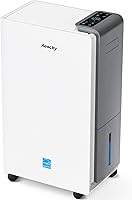
The NineSky dehumidifier is intended for bedrooms, bathrooms, closets, and other small spaces. It has a 95 oz tank and shuts off automatically when the tank is full or incorrectly installed.
NineSky says this unit removes up to 34 oz of moisture per day under conditions of 86°F and 80% relative humidity. Results depend on room conditions, so don't treat that figure as a guarantee for a cooler or drier space.
Choose this type of compact unit if the damp area is limited and you can empty its tank as needed. Skip it if you need to manage moisture across a large area or want continuous drainage; check the unit's drainage options and room guidance before buying.
For more options, compare small dehumidifiers for tight spaces. If humidity isn't persistently high, try ways to dehumidify a room without a dehumidifier first.
How should you set up and care for a dehumidifier?
Place the unit where air can move around it, and follow its instructions for clearance, settings, and tank care. Keep it away from splash-prone areas and position it near the damp room rather than behind furniture or inside a closed cabinet.
Check the tank regularly and empty it before it reaches capacity. If the unit has an auto shutoff, make sure the tank is seated correctly so the unit can run as intended.
Keep doors and windows closed while it runs if outdoor air is humid. Use bathroom and kitchen fans to remove moisture at its source, and clean the unit's filter or air intake as its instructions direct.
What mistakes can lead you to buy the wrong dehumidifier?
The most common mistake is buying a unit before you confirm the source and scale of the moisture. A dehumidifier won't fix a leak, blocked vent, or water entering through a wall.
Don't decide from one humidity reading taken right after a shower or cooking. Check whether the number stays high, and watch the room over several days.
Don't choose by tank size alone. Consider the room, how often you'll empty it, and whether the moisture problem calls for a small portable unit or a larger model.
Avoid placing a hygrometer in direct sun or next to a window. A poor location can mislead you about the room as a whole.
Do you need a dehumidifier if humidity is below 60%?
A reading below 60% doesn't rule out a local dampness problem. Keep checking if condensation, wet materials, or a musty odor returns, and investigate the source because a leak can affect one surface even when room humidity is lower.
A dehumidifier may help with excess moisture in the air, but it won't remove mold or repair the source of water. Fix leaks, dry wet materials, and address visible mold appropriately.
How do you decide if you need a dehumidifier?
Buy a dehumidifier when readings stay high and damp signs keep returning after you have checked for leaks and ventilation problems. If the signs follow one event or affect one surface, investigate that cause before buying a unit.
Start with a hygrometer if you don't have reliable readings. Choose a compact unit for a limited damp area if its room guidance and tank routine fit your needs; consider a larger option for a broad or persistent moisture problem.
For more help choosing, see our small spaces guide.
Frequently asked questions
What humidity means you need a dehumidifier?
A dehumidifier may help when indoor relative humidity stays above 60%, especially if you also see condensation or dampness. Many people aim for 30% to 50%.
Take readings in the room that feels damp, and check them at different times before deciding what to do.
Can a musty smell mean I need a dehumidifier?
A musty smell can point to moisture, but it doesn't prove that high room humidity is the cause. Check humidity with a meter, then look for leaks, wet materials, or poor ventilation.
A dehumidifier can reduce excess moisture, but it does not remove mold or fix the source of water.
Do I need a dehumidifier if my windows have condensation?
Not always. Condensation forms when warm, moist air meets a colder surface, so one foggy window can have several causes.
If it happens often, check indoor humidity and inspect for leaks or blocked ventilation.
For persistent condensation, address the source and dry wet surfaces promptly.
How can I check whether a small room needs a dehumidifier?
Place a hygrometer in the room and check its relative humidity over several days, including after showers or cooking if those affect the space. A small room can still have a leak or ventilation problem, so look for damp surfaces and recurring condensation as well as the reading.