How to Lower Humidity in Your House
To learn how to lower humidity in a house, stop moisture at its source, vent damp air outdoors, and use a dehumidifier where needed. Track the change with a hygrometer.
On this page (8 sections)
- What are the first steps to lower humidity in a house?
- How can you measure humidity before choosing a fix?
- How do you lower humidity with ventilation?
- How can you lower humidity in a house without a dehumidifier?
- When should you choose an electric dehumidifier?
- Why does humidity stay high even with a dehumidifier?
- How do you keep condensation from coming back?
- How should you decide how to lower humidity in your house?
To lower humidity in your house, stop moisture at its source, vent damp air outdoors, and use a dehumidifier where needed. Track the change with a hygrometer, then adjust your approach if readings stay high.
Start in the room that feels damp or shows condensation. A whole-house fix may be unnecessary when one shower, leak, laundry area, or basement is adding most of the moisture.
What are the first steps to lower humidity in a house?
Find where moisture is entering or being made, then reduce it before adding equipment. Check for leaks, wet materials, weak bathroom ventilation, and indoor activities that release water vapor.
Look under sinks, around windows, near the water heater, and along basement walls. Fix plumbing leaks promptly, and dry wet materials instead of covering them with paint or flooring.
Use bathroom and kitchen exhaust fans while bathing or cooking, if they vent outdoors. Keep lids on pots, run the bathroom fan after showers, and avoid drying laundry indoors when you have another option.
If one room remains damp after these changes, a dehumidifier can remove moisture from its air. For a room-by-room starting point, see our guide to choosing a dehumidifier for your home.
How can you measure humidity before choosing a fix?
Use a hygrometer to see whether humidity changes after each step. Place it in the room you’re checking, away from direct sun, vents, windows, and humidifiers.
A reading gives you a clearer basis for action than relying on a musty smell or how the air feels. Check it at different times, especially after showers, cooking, or laundry.
The Govee H5075 has a bright 3-inch display, Bluetooth app readings within its supported range, humidity graphs, and alerts for preset ranges. Its Bluetooth connection reaches up to 164 ft in open, unobstructed conditions, but it doesn’t support Wi-Fi.
The humidity accuracy is ±3% RH, which makes the device useful for following trends. Check the room repeatedly rather than treating one reading near a target as exact.
For context on what readings to aim for, read what is a good humidity level for a house.
How do you lower humidity with ventilation?
Vent moist air outside when outdoor air is drier than indoor air. Bathroom and kitchen exhaust fans help remove water vapor at the source, but only if they discharge outdoors.
Run a fan during showers and cooking, then leave it on briefly afterward. If your home lacks an exhaust fan, opening a window may help when the outdoor air is drier and weather permits.
Opening windows can make indoor humidity worse during humid weather. Compare your indoor reading with outdoor conditions, and close windows if damp air is coming in.
Don’t direct an exhaust fan into an attic or wall cavity. Moist air can condense in those spaces and create a separate building problem.
How can you lower humidity in a house without a dehumidifier?
Cut indoor moisture and improve safe airflow before buying equipment. Fix leaks, use exhaust fans, cover pots, and avoid bringing wet shoes, towels, or laundry into living areas.
You can open a window when outdoor air is drier, or use air conditioning if you already have it and its instructions support that use. Neither method fixes a leak or a persistently damp basement.
Moisture absorber buckets suit small enclosed spaces where an electric unit is impractical. DampRid’s fragrance-free granules attract and trap excess moisture, but a passive absorber isn’t a practical choice for lowering humidity throughout a house.
Keep the buckets out of reach of children and follow their handling directions. Don’t use them instead of repairing water intrusion or drying a large room.
For more options, see how to dehumidify a room without a dehumidifier.
When should you choose an electric dehumidifier?
Choose an electric dehumidifier when a room stays damp after you address moisture sources and ventilation. Match the unit to the room and your preferred way to drain collected water.
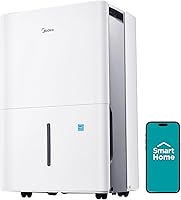
The Midea Cube 20 Pint is designed for residential use and is specified for spaces up to 1,500 sq ft. Its removable 3.2-gallon bucket suits someone who can empty it, while the included hose provides a continuous-drain option when there’s a suitable sink or floor drain nearby.
Its Wi-Fi app control can help when you want to check or adjust the unit remotely. Skip it if you don’t need app control, the unit’s capacity doesn’t fit the room’s needs, or you can’t arrange convenient drainage.
For a smaller area, the BEDRED 95 oz unit has automatic shutoff when its tank is full and a sleep mode that turns off its ambient lights. Its compact format and quiet sleep mode suit a bedroom or other small space where lights at night are unwelcome.
Choose it when those features fit your space and routine. Skip it for a large, persistently damp area that calls for a higher-capacity approach.
Keep doors and windows closed while a dehumidifier runs unless its instructions say otherwise. Set it up with its air openings clear, empty the tank as directed, and clean or wash the filter according to the manual.
A dehumidifier can manage room air, but it won’t repair leaks or remove mold. If you see mold, address the moisture source and use appropriate cleanup guidance; consider professional help for extensive growth or recurring water damage.
Why does humidity stay high even with a dehumidifier?
A unit may not keep up if moisture is entering faster than it can remove it. Check for a leak, wet basement materials, an open window during humid weather, or indoor laundry.
Confirm that the unit is set up as its instructions require. Clear its air openings, maintain the filter as directed, and make sure the tank or drain is working.
The unit may also be too small for the space or conditions. Our dehumidifier sizing and features guide explains what to compare before choosing.
If dampness is concentrated below ground, look for water entry and drainage issues as well as humidity. A dehumidifier manages room air, but it cannot stop groundwater or a plumbing leak.
How do you keep condensation from coming back?
Reduce indoor moisture and check cold surfaces where water forms. Condensation often appears when humid indoor air meets a cold window or wall.
Run exhaust fans, keep indoor humidity in check, and avoid blocking warm air from reaching windows. Wipe condensation promptly and inspect the frame and nearby wall for signs of water damage.
If windows keep fogging, follow our guide to how to stop condensation on windows. Repeated water around a window may need a repair beyond humidity control.
How should you decide how to lower humidity in your house?
Start with the source and the size of the damp area. If humidity rises after showers or cooking, improve ventilation and reduce moisture at those sources; if one room stays damp, measure it and consider an electric dehumidifier.
Choose the Govee hygrometer to track readings, the Midea Cube when a drain hose or app control fits your needs, BEDRED for a smaller area where tank shutoff and sleep mode matter, or DampRid for a small enclosed space. For help deciding whether an electric unit is necessary, see how to tell if you need a dehumidifier.
Frequently asked questions
What is the fastest way to lower humidity in a house?
Find and stop the source of moisture first, then run a dehumidifier in the damp area with doors and windows closed, following its instructions. Use an exhaust fan that vents outdoors while showering or cooking, and check a hygrometer to see whether humidity is falling.
Does opening windows lower indoor humidity?
Sometimes. Opening windows can help when outdoor air is drier than indoor air, but it can add moisture on humid or rainy days.
Check outdoor conditions and your indoor hygrometer before airing out a room, and close windows when damp air is entering.
What should I set a dehumidifier to?
Choose a setting that keeps the room comfortable and within the range recommended by public health or building guidance. The right target can vary with season, room, and condensation; use a hygrometer to check results and adjust the control gradually.
Can moisture absorber buckets lower humidity in a whole house?
No. A passive moisture absorber is best treated as a small-area option, such as a closet or enclosed storage space.
For a damp room or several rooms, first fix leaks and ventilation problems, then consider a dehumidifier sized for the space.