How to Dehumidify a Room Without a Dehumidifier
To dehumidify a room without a dehumidifier, stop moisture at its source, vent damp air outdoors, and improve circulation. Use an absorber for a closet or other small enclosed space; use an electric unit when moisture persists across a room.
On this page (8 sections)
- What is the fastest way to dehumidify a room without a dehumidifier?
- How can you find where the moisture is coming from?
- Does opening a window reduce indoor humidity?
- Which moisture absorber should you choose for a small space?
- How can you keep moisture down during daily activities?
- What humidity level should you aim for?
- When should you switch to an electric dehumidifier?
- What should you do if the room stays damp?
To dehumidify a room without a dehumidifier, stop moisture at its source, vent damp air outdoors, and improve circulation. Moisture absorbers can help in closets and other small enclosed spaces, but they won't quickly dry a whole room.
Check for leaks, wet laundry, steamy showers, and other sources of water. Use exhaust ventilation when it sends damp air outdoors, and open windows only when outside air is drier than the air inside.
What is the fastest way to dehumidify a room without a dehumidifier?
Remove the moisture source and vent damp air outdoors. These steps address more moisture than a bowl of household powder or a small absorber can handle.
Check ceilings, walls, plumbing, windows, and floors for leaks or wet spots. Fix the source or contact a qualified professional if you can't locate or repair it safely.
Run the bathroom or kitchen exhaust fan during moisture-producing activities and afterward, if it vents outdoors. A fan that only recirculates air won't remove moisture from your home.
If there is no exhaust fan, open a window briefly when outdoor air is drier and the weather allows. A fan aimed toward an open window can help move indoor air outside, but avoid drawing in humid air.
For more room-by-room steps, see how to lower humidity in your house. A humidity meter can help you check whether your changes are working.
How can you find where the moisture is coming from?
Look for water entering the room and activities that add moisture to its air. Check under sinks, around windows, near exterior walls, and wherever pipes or appliances connect.
Common sources include a dripping pipe, a roof or window leak, indoor laundry drying, cooking without ventilation, and shower steam. A musty smell or condensation can be a clue, but neither identifies the cause on its own.
Dry wet surfaces and fix leaks promptly. If water is coming through a wall, floor, or ceiling, stop it at the source before relying on ventilation or an absorber.
Don't cover a damp patch before it has dried and its cause has been addressed. If dampness keeps returning, ask a qualified professional to inspect the area.
Does opening a window reduce indoor humidity?
Opening a window helps only when the outdoor air is drier than the indoor air. In warm, humid weather, bringing outdoor air inside can add moisture.
Compare indoor humidity with local outdoor conditions before airing out the room. When outside air is drier, a short airing period or an exhaust fan can help exchange damp indoor air.
Keep windows closed during rain or when outdoor air is humid. If condensation keeps forming on your windows, see how to stop condensation on windows.
Can a fan dehumidify a room without a dehumidifier?
A fan moves air but doesn't remove water from the room by itself. Use it to improve circulation or move indoor air toward an open window when outside conditions are dry.
Keep air moving around damp areas and avoid blocking vents. A fan won't fix a leak or replace an exhaust fan that vents outdoors.
Which moisture absorber should you choose for a small space?
Choose an absorber based on where you can safely place it and how much upkeep you want. Buckets suit floor or shelf placement, hanging bags fit closets with open hanging space, and reusable containers suit people willing to empty and refill them.
Is a bucket absorber right for a closet or bathroom?
Choose the DampRid Moisture Absorber Bucket 2-Pack for a small or medium damp space where you have a stable shelf or floor spot. It is fragrance-free, and the included detection strip can help identify areas with excess humidity.
Set it where it won't be knocked over, and follow the label directions. Keep it out of children's reach, and don't let its liquid contact metal or leather.
Skip the bucket if you need to lower humidity throughout a large or open room. First address leaks and ventilation, then use humidity readings to see whether the room still needs more help.
Are hanging absorbers a good fit for closets?
Choose the DampRid Hanging Moisture Absorber 3-Pack for a closet or compact storage area with room to hang the bags and allow airflow. The fragrance-free bags can last up to 60 days, depending on temperature and humidity.
Remove the clear wrapper, unfold each bag, and hang it with space around it. Discard it when the liquid reaches the replacement line, following the label directions.
Don't hang a bag above clothing, leather goods, or anything that could be damaged if it leaks. Skip this style if you don't have a safe place to hang it.
When does a reusable absorber make sense?
Choose the DampRid Reusable Moisture Absorber if you want a non-electric container you can refill with drop-in tablets. It suits bathrooms, laundry rooms, closets, and other small areas with stagnant air.
Place the container on a flat surface and follow the directions for adding a tablet, emptying liquid, and rinsing the container. Keep it out of children's reach.
Skip it if you'd rather not empty and rinse a container or need active moisture removal across a living room or bedroom. Passive absorbers serve local spaces, not whole-room drying.
Which absorber fits your space and routine?
Pick the bucket for a stable floor or shelf spot, hanging bags for a closet rod, and the reusable container if you're comfortable emptying and refilling it. All three are best suited to small enclosed areas with localized dampness.
Consider where liquid could spill, whether air can circulate around the absorber, and how often you'll check it. Don't place any absorber where children can reach it or where collected liquid could damage nearby belongings.
How can you keep moisture down during daily activities?
Vent showers and cooking, dry wet surfaces, and limit indoor moisture where practical. These habits help prevent water vapor from building up again.
Run an outdoor-vented exhaust fan during a shower and after you turn off the water. Use a kitchen vent while cooking, and cover pots when practical to limit steam.
Dry shower walls and floors after use, and fix dripping taps or pipes. If you dry laundry indoors, leave space between damp clothes and allow air to move through the room.
Leave a little space between furniture and cold exterior walls when practical so air can circulate. Don't use fragrance or sprays to hide a recurring damp smell.
What humidity level should you aim for?
Use a humidity meter to track indoor conditions and compare readings over time. Readings can vary by room, season, and weather, so one measurement may not tell the whole story.
Our guide to a good humidity level for a house explains how to think about indoor readings. If a room stays damp despite source control and ventilation, it may need active moisture removal.
When should you switch to an electric dehumidifier?
Consider an electric dehumidifier when moisture persists after you address its sources and improve ventilation. An appliance actively collects water, while passive absorbers are better for small enclosed spaces.
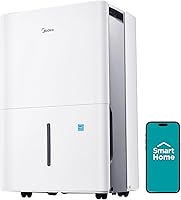
The OWAAE unit has a 95 oz water tank and shuts off automatically when the tank is full or improperly positioned. Its other features include sleep mode and a 7-color LED light.
Check whether the unit suits your room and follow its operating instructions. See how dehumidifiers work to learn how an electric model removes moisture.
For a direct comparison, read dehumidifiers vs. DampRid moisture absorbers.
Choose based on the space, the moisture source, and whether you need local absorption or active room-wide collection.
What should you do if the room stays damp?
If dampness persists, look for a continuing moisture source and decide whether the room needs active collection. Use a passive absorber for a small enclosed space; consider an electric unit when ventilation and source control haven't kept a room dry.
Address visible water or recurring wet spots promptly, and get help when the source is unclear. For a closet, choose a bucket, hanging bag, or reusable absorber based on the space and upkeep you prefer.
If you're deciding whether to dehumidify a room without a dehumidifier or move to an electric unit, check how to tell if you need a dehumidifier. Use the room's conditions and humidity readings to guide your next step.
Frequently asked questions
Can you dehumidify a room without a dehumidifier?
Yes. Find and stop moisture sources, use a bathroom or kitchen exhaust fan that vents outdoors, and improve air movement when outdoor air is drier.
Moisture absorbers can help in small enclosed spaces, but they have limited capacity.
If dampness persists, check for a leak or another moisture source.
Do bowls of salt or baking soda remove humidity?
Salt and baking soda may absorb some moisture, but a small bowl won't control humidity across a room. Use a humidity meter to track conditions, fix the source of moisture, and ventilate when outdoor air is drier.
For a closet or cabinet, a purpose-made moisture absorber is usually more practical.
Should you open windows to lower indoor humidity?
Open windows only when outdoor air is drier than the air inside. Warm, humid outdoor air can add moisture, while a short airing period may help when conditions outside are dry.
Compare indoor readings with local outdoor conditions before opening windows.
When should you use a dehumidifier?
Use a dehumidifier if you've controlled moisture sources and ventilation still can't keep the room dry. Choose a unit suited to the room and its conditions, and empty or drain it as directed.
Persistent dampness or water intrusion calls for attention to the underlying cause.