How to Get Rid of a Musty Smell in a Basement
To get rid of a musty smell in a basement, find and fix the moisture source first, then dry damp materials and clean washable surfaces. Use a hygrometer to track humidity and choose a dehumidifier or small-area absorber based on the space.
On this page (8 sections)
- What causes a musty smell in a basement?
- How do you find the source of basement moisture?
- How do you get rid of the odor safely?
- Will a dehumidifier get rid of a musty basement smell?
- What humidity level should you aim for?
- What mistakes keep a basement smelling musty?
- How can you keep the basement from smelling musty again?
- How to get rid of a musty smell in a basement: which fix should you choose?
To get rid of a musty smell in a basement, find and fix the moisture source, dry damp materials, and clean washable surfaces. A dehumidifier can lower excess humidity, but it does not remove mold or repair a leak.
Start by checking for plumbing leaks, water entering through walls or floors, condensation on cold surfaces, and damp stored items. Match any equipment to the size and moisture level of the space, since a tool for a closet won't dry an entire basement.
What causes a musty smell in a basement?
A musty basement odor usually points to moisture in the room or in materials stored there. Damp cardboard, carpet, wood, and fabric can hold odors, while mold may grow where moisture persists.
Check around pipes, windows, floor drains, the water heater, and the base of exterior walls. Look for water stains, peeling paint, wet spots, condensation, or visible growth.
Don't rely on smell alone to identify mold or judge how much may be present. If you see extensive growth, suspect contaminated water, or can't safely clean the affected area, contact a qualified mold or water-damage professional.
How do you find the source of basement moisture?
Inspect the basement after rain and during humid weather, then trace dampness to its likely source. Check both the room and the items stored in it before choosing a fix.
Look for dripping or sweating pipes, leaking appliances, cracks with water entry, and water pooling near the foundation. Make sure downspouts carry water away from the home and that soil slopes away from the foundation.
Condensation can form when warm, humid air reaches a cool surface. If the odor is strongest around a drain, check whether it is dry or blocked, and consult a plumber if you suspect a plumbing problem.
A hygrometer helps you distinguish a humid-room problem from one limited to a damp item or small nook. The Govee H5075 has a display for temperature and humidity, plus Bluetooth app monitoring with alerts and historical readings.
Place the meter in the area where the odor is strongest, away from a vent or dehumidifier outlet. Check it at different times and after rainy weather so a single reading doesn't drive the decision.
How do you get rid of the odor safely?
Remove damp items, dry what can be saved, and clean hard surfaces with a suitable product. Wear gloves, follow cleaner labels, and never mix cleaning products.
Move wet boxes, rugs, and fabrics out of the basement. Dry salvageable items fully in a ventilated area, and discard materials that remain wet, smell persistently musty, or show mold when they can't be cleaned safely.
For mold cleanup, follow EPA guidance on mold cleanup. Don't paint or seal over visible mold, and avoid disturbing large moldy areas because that can spread particles.
Clean washable hard surfaces with a product intended for that material, then dry them fully. Address the water source before returning stored items, or the odor may return with them.
How to get rid of a musty smell in a basement closet?
Use a moisture absorber for a small, enclosed closet or storage nook with mild dampness. It won't dry a whole basement or solve a leak, so reserve it for a confined space after checking for water intrusion.
DampRid's fragrance-free hanging bags attract and trap excess moisture. Hang a bag with room around it for air circulation, keep it out of reach of children, and discard it when liquid reaches the replacement line.
The bags can last up to 60 days depending on temperature and humidity. Check them periodically, and replace them when the liquid reaches the marked line rather than waiting for the area to smell damp again.
Will a dehumidifier get rid of a musty basement smell?
A dehumidifier can lower excess humidity and help keep the basement drier, but it does not remove mold or eliminate the source of an odor. Pair it with repairs, cleaning, and drying.
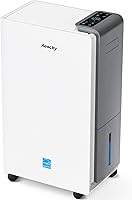
The KNKA 80 Pint 5,500 Sq Ft Dehumidifier is suited to a large basement that stays humid and needs ongoing moisture control. Its built-in tank works for spaces where you can empty it, while the included drain hose suits a location with a suitable drain for continuous drainage.
Skip a large compressor unit if the odor is limited to one closet, the basement is already dry, or standing water and a leak still need attention. A dehumidifier is a follow-up tool for humidity control, not a substitute for repairs or cleanup.
KNKA recommends keeping doors and windows closed while the unit runs. Let it stand upright for 24 hours before first use, position it with room for airflow, and choose a target setting that you can monitor with a separate hygrometer.
The unit offers a built-in tank and a 6.56 ft drain hose. Plan where collected water will go before setting it up, and check the tank or drain path regularly so drainage problems don't interrupt use.
For guidance on choosing equipment for a larger space, see the large-basement dehumidifier guide. To understand what happens inside the unit, read how a dehumidifier works.
What humidity level should you aim for?
Keep indoor relative humidity below 60% when possible, with 30% to 50% a common target range. A hygrometer helps you check whether the basement stays in that range after repairs and drying.
Take readings over several days instead of relying on one snapshot. Humidity can vary with weather, laundry, and how often the basement is used, so compare readings from similar locations and times.
If readings remain high, review how to lower humidity in your house and what a good humidity level for a house is. If the smell seems to come from the appliance itself, see why a dehumidifier can smell musty.
What mistakes keep a basement smelling musty?
The most common mistake is covering the odor before removing the moisture that caused it. Air fresheners and fragrance can mask a smell while wet materials or water entry remain.
Other mistakes include running a dehumidifier with windows open, placing stored items directly against damp walls, and leaving wet cardboard or fabrics in the room. An absorber also won't provide room-wide control when the whole basement is humid.
Don't set a dehumidifier beside the dampest wall and assume that fixes the wall. Check the source, allow air to move around the unit, and follow its setup and care instructions.
How can you keep the basement from smelling musty again?
Keep water out, dry spills quickly, and store belongings off damp floors. Recheck the basement after heavy rain and during humid stretches.
Use sealed plastic bins instead of cardboard for items that need storage. Leave space between belongings and walls so you can inspect surfaces and allow air to move.
Fix leaks promptly, keep gutters and downspouts clear, and use a dehumidifier if readings stay high. A dehumidifier can help manage humidity, but it cannot correct poor drainage or remove mold.
How to get rid of a musty smell in a basement: which fix should you choose?
Repair water entry and dry or remove damp materials first; then choose a tool based on the area that remains humid. That order tackles the source before ongoing moisture control.
Choose the KNKA unit for a large, persistently humid basement where you can manage its tank or connect its drain hose. Choose DampRid for a single small closet or storage nook, and choose the Govee hygrometer when you need readings to decide whether humidity is still high.
If the odor persists after drying and cleaning, look again for hidden moisture or get qualified help when the affected area is extensive. For a room-wide plan, compare ways to lower humidity in your home.
Frequently asked questions
How do you get rid of a musty smell in a basement?
Find the moisture source, repair leaks or drainage problems, and dry wet materials as soon as possible. Clean hard surfaces with a suitable cleaner, improve airflow, and use a dehumidifier to manage excess humidity.
If you find widespread mold, sewage, or water damage you can't dry promptly, contact a qualified professional.
Does a dehumidifier remove mold in a basement?
No. A dehumidifier lowers moisture in the air, which can help control conditions that support mold growth, but it doesn't remove mold from walls, flooring, or belongings.
Find and fix the water source, then clean or remove affected materials using appropriate guidance.
What humidity should a basement be?
Aim to keep indoor relative humidity below 60%, and many homes are more comfortable around 30% to 50%. Check the reading with a hygrometer over several days, since humidity can change with weather, laundry, and how often the basement is used.
Can I use an odor absorber for a musty basement?
A moisture absorber can help in a small, enclosed area with mild dampness, such as a closet. It won't dry a whole basement or solve a leak.
Use it alongside moisture control, and replace it according to its label instructions.