How to Clean Mold Out of a Dehumidifier
To clean mold out of a dehumidifier, unplug it, empty and wash the tank, coils and drain pan with a mild vinegar or bleach solution, and dry every part fully before it runs again. Fix the damp spot it sits in, or the mold comes back.
On this page (10 sections)
- Why does mold grow inside a dehumidifier?
- What should you have ready before you start?
- How do you clean the tank step by step?
- Do the coils and drain pan need cleaning too?
- How do you reach mold in the drain hose or pump?
- How do you put the dehumidifier back together?
- How do you keep mold from coming back?
- How do you check humidity so mold does not return?
- When should you replace the unit instead of cleaning it?
- The cleaning rule to remember
Here is how to clean mold out of a dehumidifier: unplug it, empty and wash the tank, coils and drain pan with a mild vinegar solution, and dry every part before it runs again. A dehumidifier that collects water will grow mold if any wet surface sits untouched, so cleaning means removing the mold and the dampness that feeds it.
The job takes about an hour on a small unit. Most of that is drying time, not scrubbing.
Read the manual first, because a few brands limit which cleaners touch the coils.
Why does mold grow inside a dehumidifier?
Mold grows because a dehumidifier holds water in a warm, dark tank and keeps the air around it damp. The tank, drain pan and the fins behind the filter stay wet between cycles, which is exactly what mold needs.
The unit pulls moisture from the air and condenses it on cold coils. Water drips into the tank, then sits there when the tank is full or the unit is stored.
Filters trap dust that soaks up that water and starts to smell.
If the room itself stays damp, mold returns fast no matter how well you scrub. A finished basement or a closet with poor airflow keeps the walls and floor wet, which feeds both the space and the unit.
A guide to how does a dehumidifier work explains where that water ends up.
What should you have ready before you start?
You need a soft brush, a spray bottle, white vinegar or a mild bleach mix, cloths and a place to dry the parts. Set the work outside or in a well-vented room, since mold spores release when you scrub.
Skip harsh abrasives on the tank and coils. A nylon brush or an old toothbrush reaches corners without scratching.
Wear gloves and a mask if the mold patch is large.
Keep the unit unplugged the whole time. Water and electricity do not mix, and a sponge near a live plug is risky.
How do you clean the tank step by step?
Empty the tank, scrub the walls and lid with a vinegar mix, rinse, and dry it fully. That covers most of the mold you'll find.
- Pull the tank and tip the water into a drain or toilet.
- Spray the inside with a 1:1 white vinegar and water mix.
- Scrub corners, the lid and the float area with the brush.
- Rinse with clean water until the smell fades.
- Stand it upside down so it drains and dries.
Vinegar works because it kills surface mold and leaves no residue on the plastic. For heavy black patches, a diluted bleach mix (about 1 part bleach to 10 parts water) does the job, but rinse it out well before the tank goes back.
Dry the tank completely before it returns to the unit. A damp tank starts the cycle again the same day.
Do the coils and drain pan need cleaning too?
Yes, the coils and drain pan collect the most moisture, so clean them after the tank. Mold hides in the fins you can see through the front grille and in the shallow pan under the coils.
Pull the filter and wash it with warm soapy water, then let it air dry. A clogged filter holds moisture against the coils, which feeds mold and cuts airflow.
Spray the visible coils with the vinegar mix and brush gently along the fins, not across them. Bend no fins, since they are thin and easy to crush.
Wipe the drain pan with a cloth soaked in the mix, then dry it.
If the pan holds standing water, check the drain path. A kinked hose traps water that mold loves, which is common in older units.
That fits with how long does a dehumidifier last, since blocked drains and tired parts both shorten the working life.
How do you reach mold in the drain hose or pump?
Flush the drain hose with the vinegar mix and hot water until it runs clear. A gravity hose can be pulled off, rinsed in the sink and dried in the sun.
Watch for slime and a sour smell at the outlet. A hose that sits flat lets water stay inside, so lift it so it slopes down and empties fully.
Changing to a gravity drain helps some readers, and that drain setup is worth choosing at the start.
If the unit has a built-in pump, follow the manual for flushing it. Don't push a wire through a pump line, which can damage it.
A short, sealed hose leaks less than an old, split one. The Ebusin hose can be cut to a length that fits the run, and its brass fitting seats against most 3/4 inch outlets.
How do you put the dehumidifier back together?
Dry every part, refit the filter and tank, then run the unit for an hour before you trust it. A dry reassembly is what keeps mold from returning.
Wipe the outside and the lid gasket, and check that the tank sits level. Turn the unit on and listen for the fan.
Water should collect on the coils and drip cleanly into the tank or hose.
If you still smell mold after the first hour, repeat the tank and pan clean. A lingering smell often means the filter or a corner was missed.
Run the unit in the same room and watch how fast the tank fills. A tank that fills in hours points to very damp air, which means the space itself needs work.
How do you keep mold from coming back?
Keep the tank dry, the filter clean and the room below 50% relative humidity, and mold has little chance to start. Small habits matter more than one deep clean.
Empty the tank every few days rather than waiting for the full-light. Wipe it dry if the unit will sit off for a while.
Wash the filter monthly in a wet basement, less often in a dry room.
Run a continuous drain in very damp spaces so no water collects inside the unit. A small fan in the room moves air along damp walls, which also helps, and a guide to will a dehumidifier dry out damp walls explains what to expect there.
Check the room itself for leaks and wet spots. If the walls are always wet, cleaning the dehumidifier only clears the symptom.
How do you check humidity so mold does not return?
A hygrometer tells you when the air is damp enough to grow mold, usually above 60% relative humidity. Keep the room under 50% if you can.
Put the meter near the unit, not inside the tank. Watch readings after rain and during humid weeks, when the dehumidifier runs longest.
A dehumidifier does not chill a room, though it can make it feel cooler. If you wonder does a dehumidifier cool a room, the answer is that the drop comes from lower humidity, not cold air.
The Govee H5075 reads humidity to ±3% RH with a 2 second refresh, and the app graphs 20 days of data. That history shows which weeks push the room past the mold line.
When should you replace the unit instead of cleaning it?
Replace the dehumidifier when mold reaches the motor, the coils stay wet, or the tank fills but the air stays damp. Cleaning fixes surface mold, not a failing compressor.
Listen for rattles, check that the coils frost evenly, and note whether the room dries at all. A unit that runs all day and leaves the walls damp is not doing its job.
Some mold inside the housing can be reached with the manual's guidance. Deep mold near wiring is a service call, and on an older unit the repair often costs more than a new machine.
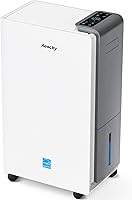
A large unit suits a wet basement best. The AEOCKY 80 Pint 5,500 Sq Ft model is built for big damp spaces, and its included drain hose keeps water out of the tank.
If you are weighing that step, size first and clean second. A unit that runs less because it is sized right grows less mold, which is the simplest way to clean mold out of dehumidifier upkeep over the long run.
The cleaning rule to remember
Clean the tank, filter, coils and drain pan once a month in a damp space, and dry each part before it goes back. That routine is the whole answer to how to clean mold out of a dehumidifier: remove the mold, then remove the water it lives on.
Pick the hose if standing water sits in the pan, the hygrometer if the room keeps climbing past 60%, and a bigger unit if the space stays wet even after a clean. Tackle the source in the room and the dehumidifier stays clean far longer.
Frequently asked questions
How often should I clean a dehumidifier to stop mold?
Empty and rinse the tank every few days, and do a full clean of the tank, coils and drain pan once a month in a damp space. Clean it right away if you see speckles, a musty smell, or slime in the tank.
Can I use bleach to clean mold inside a dehumidifier?
Yes, a diluted bleach mix works on the water tank and drain pan. Rinse it well afterward, and keep bleach away from the coils and any electronics, since it can corrode metal and damage parts.
Why does mold keep coming back after I clean the dehumidifier?
The unit keeps pulling water from damp air, so any wet surface left in the tank or coils regrows mold fast. Run the unit in a drier space, dry the tank after each empty, and use a drain hose so water doesn't sit inside.
What should I do if mold is deep inside the coils or motor?
If mold reaches the coils, fan or motor housing, stop using the unit and follow its manual for cleaning or service. Soaked coils and electronics are hard to dry, and a repair may cost more than a simple tank clean.