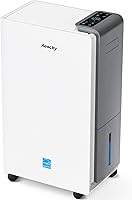
Can I Use Dehumidifier Water for Plants?
Yes, you can use dehumidifier water for plants in most cases. It's close to distilled water, so it's fine for container plants, but it can pick up dust, metal traces and bacteria from the unit, so treat it as grey water and keep it away from edibles you'll eat raw.
On this page (9 sections)
- What is in dehumidifier water?
- Can I use dehumidifier water for plants straight from the tank?
- Which plants do well with dehumidifier water?
- Is dehumidifier water safe for edible plants?
- How do you collect and store dehumidifier water?
- How do you keep the water clean enough for plants?
- How can a hygrometer help you collect more water?
- When should you not use dehumidifier water on plants?
- The bottom line on using dehumidifier water for plants
Yes, you can use dehumidifier water for plants in most cases. The water is condensed from the air, so it's close to distilled water and won't leave mineral spots on leaves.
It can still carry dust, lint and bacteria from the unit, so treat it as grey water and keep it away from edibles you'll eat raw.
That short answer covers most households. The rest depends on which plants you have, how clean your unit is, and how you collect the water.
What is in dehumidifier water?
Dehumidifier water is mostly pure water with a small amount of dust and airborne particles. The unit pulls moisture from the air, and that moisture condenses on cold coils and drips into the tank.
Anything floating in the air can land on the coils and end up in the water.
That means the water is not perfectly clean. Dust, lint, pollen and tiny traces of metal from the coils can be present.
Bacteria and mold can also grow in a warm, damp tank if you leave the water sitting.
The upside is what's missing. Unlike tap water, dehumidifier water has almost no calcium or magnesium, so it doesn't build up white crust on soil or leaves.
For most houseplants, that makes it a gentler choice than hard tap water.
Can I use dehumidifier water for plants straight from the tank?
Yes, you can pour it straight from the tank onto most container plants. The dust and lint are usually too small to harm soil or roots, and the low mineral content is a real benefit.
For fussier plants, a quick filter is worth the extra step.
If the water looks cloudy or smells musty, don't use it. That's a sign of bacterial growth in the tank.
Empty and clean the tank first, then start collecting again.
For plants that are sensitive to impurities, such as carnivorous plants or seedlings, let the water sit overnight so sediment settles, then pour off the clear top. A coffee filter or fine mesh works too.
Our guide to how a dehumidifier works explains where the water comes from in the first place.
Which plants do well with dehumidifier water?
Most houseplants, ferns, orchids and outdoor garden beds handle dehumidifier water without trouble. Plants that dislike hard water benefit most, because the low mineral content won't raise soil pH or leave deposits on leaves.
- Ferns and calatheas are sensitive to hard water and often get brown leaf tips from tap minerals. Dehumidifier water avoids that.
- Orchids grow in bark and don't need extra minerals, so soft water suits them well.
- Carnivorous plants such as Venus flytraps need mineral-free water. Dehumidifier water is a reasonable substitute for distilled in a pinch.
- Outdoor beds and shrubs can take it in larger amounts, especially in dry spells.
- Succulents and cacti are fine with it, though they need so little water that collection volume doesn't matter much.
Skip it for herbs and vegetables you'll eat raw, such as basil, lettuce or tomatoes. The small bacterial risk is not worth it when tap water works fine for edibles.
Is dehumidifier water safe for edible plants?
Use it on edibles only with care, and never on leaves you'll eat raw. The water can carry bacteria from the tank and coils, and those bacteria can end up on the plant surface.
Cooking kills most of them, but a salad doesn't.
If you want to use it in the garden, pour it at the soil line rather than over leaves. That keeps the water off the parts you harvest.
Wash produce thoroughly before eating, as you would with any garden crop.
For root vegetables and plants you'll cook, the risk is lower because the edible part sits in or under the soil. Even so, filter the water and keep the tank clean.
A musty tank is the main source of concern, not the condensation itself.
How do you collect and store dehumidifier water?
Empty the tank into a clean container and use it within a day or two. Water left standing in a warm tank or bucket grows bacteria fast.
A covered bucket in a cool spot lasts longer than an open one in a sunny room.
Pour through a fine filter or let sediment settle before watering. Keep the collection bucket covered to stop dust and insects from getting in.
Label it so nobody mistakes it for drinking water.
If you want a steady supply without emptying the tank by hand, a drain hose is the simplest upgrade. The Ebusin 12 ft hose fits most 3/4-inch hose outlets and can run to a bucket or floor drain.
The hose has a nickel-plated brass fitting and a rubber seal to reduce leaks. It's rubber and can be cut to length, so it suits odd runs across a basement floor.
Check the outlet size on your unit before ordering.
How do you keep the water clean enough for plants?
Clean the tank and coils on the schedule your unit's manual gives, and never store water in the tank for days. A clean unit produces cleaner water.
Most of the risk comes from biofilm that builds up when water sits.
Rinse the tank with warm water and a little mild soap, then dry it. Don't use bleach or harsh cleaners and then pour the next batch on plants.
Residue from those products can damage roots.
Check the coils and drip tray for slime or dust. A dirty coil also makes the unit work harder, which ties into whether dehumidifiers use a lot of electricity.
Cleaning is a small job that protects both your plants and your power bill.
How can a hygrometer help you collect more water?
A hygrometer shows the humidity level, so you know when the unit will run and produce water. Higher room humidity means more condensation and a fuller tank.
Watching the reading helps you plan collection around the weather.
The Govee H5075 tracks temperature and humidity and sends alerts to a phone app when readings move outside a set range. It stores 20 days of data and can export up to 2 years, which suits anyone tracking a basement or plant room over time.
Its Bluetooth range is up to 164 ft in open space, and Govee gives accuracy of ±0.54°F for temperature and ±3%RH for humidity. The app alerts make it easy to see when a damp spell is coming.
If you'd rather skip the app and just glance at a display, the TempPro TP50 is a simpler option. It shows a DRY, COMFORT or WET icon and records high and low readings.
TempPro gives accuracy of ±2 to 3%RH and ±1°F, with readings refreshed every 10 seconds.
It runs on one AAA battery and has a magnetic back for a fridge or metal shelf. Both units help you see when the air is damp enough to fill a watering can.
When should you not use dehumidifier water on plants?
Skip the water if the tank smells, looks slimy, or the unit has just been cleaned with chemicals. Those are the cases where bacteria or residue could hurt plants or, on edibles, people.
Don't use water from a unit in a garage, workshop or room where paint, solvents or fuel fumes are present. The water can absorb traces of those chemicals.
Keep that batch out of the garden.
If a plant is already struggling with root rot or fungal problems, don't add more moisture from an uncertain source. Use clean tap water until the plant recovers.
For a big water-damage cleanup where you need serious moisture removal, a commercial dehumidifier is the better tool than a small household unit.
The bottom line on using dehumidifier water for plants
So, can I use dehumidifier water for plants? Yes, for most houseplants and garden beds, as long as the water is fresh and the unit is clean.
Pour it at the soil line, filter out dust, and keep it away from leaves you'll eat raw.
Pick the Govee H5075 if you want app alerts and humidity history. Pick the TempPro TP50 for a simple display you can read at a glance.
Add the Ebusin drain hose if you want to collect water continuously into a bucket. With those in place, a running dehumidifier turns damp air into a steady, free supply for your plants.
Frequently asked questions
Is dehumidifier water the same as distilled water?
It's similar in mineral content, but not identical. Distilled water is boiled and condensed in a clean process; dehumidifier water picks up dust, lint and traces of metal from the coils as it passes through the unit.
It's cleaner than tap water for leaves, but not sterile.
Why does dehumidifier water sometimes smell?
A stale or musty smell means bacteria and mold are growing in the tank or on the coils. Empty and rinse the tank regularly, and clean the coils as the manual directs.
Don't pour smelly water on plants, and check the unit before collecting more.
Can dehumidifier water carry bacteria to plants?
It can, because the tank and drip tray are damp and warm. Most soil and plant roots handle small amounts without trouble, but keep the water away from edible leaves and wash your hands after handling it.
A fine filter reduces the risk.
How often should I empty the tank to collect water?
Empty it whenever it's full, and at least every couple of days in humid weather. A unit that runs all day may fill a tank in a few hours.
A drain hose to a bucket or floor drain lets you collect water continuously without babysitting the tank.